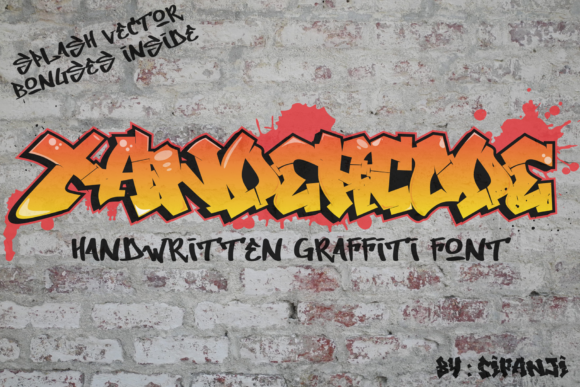
Xandercode: A Strategic Tool for Bold and Impactful Design
Xandercode is a bold and chunky lettered display font that commands attention. Its unique design makes it ideal for headings, logos, and any visual element where presence matters. As a designer, marketer, or content creator, understanding how to use Xandercode strategically can elevate your work from good to exceptional.
Understanding the Power of Xandercode
Xandercode's thick, robust letters are more than just an aesthetic choice—they are a statement. When used thoughtfully, this font can convey strength, confidence, and clarity. It is especially effective in environments where readability and impact are both important.
Consider using Xandercode for headlines on websites, banners, posters, or even in presentations. Its bold nature ensures that your message isn't lost in a sea of text. However, its use should be intentional. Overuse can lead to visual clutter, which may dilute the very message you're trying to communicate.
Strategic Use Cases for Xandercode
- Headlines and Titles: Xandercode shines when used for main titles. Whether it's a blog post, a product page, or a marketing campaign, it adds weight and emphasis to your content.
- Branding Elements: Incorporating Xandercode into logos or brand identities can help establish a strong visual identity. It’s particularly useful for brands that want to project confidence and authority.
- Call-to-Action Buttons: The font's boldness makes it perfect for CTA buttons. It draws the eye and encourages action, making it a practical choice for increasing user engagement.
- Posters and Flyers: In print media, Xandercode can make your message stand out. Its chunky style works well with vibrant colors and dynamic layouts.
Planning Your Use of Xandercode
Before integrating Xandercode into your designs, consider the context and purpose. Ask yourself: What message am I trying to convey? Who is my audience? How does this font align with my brand or project goals?
For example, if you're designing a website for a fitness brand, Xandercode could reinforce themes of strength and determination. But if your brand is more about minimalism and elegance, this font might not be the best fit.
Another factor to consider is legibility. While Xandercode is visually striking, it may not be suitable for long paragraphs of text. Reserve it for short, impactful phrases that need to grab attention immediately.
How to Approach Using Xandercode
- Define Your Goals: Start by identifying what you want to achieve with your design. Is it to increase brand recognition, drive conversions, or simply enhance visual appeal?
- Assess the Audience: Consider the demographics and preferences of your target audience. Does Xandercode resonate with them? Will it help or hinder their experience?
- Test Different Applications: Experiment with various uses of Xandercode in different contexts. See how it interacts with other elements like color, spacing, and imagery.
- Balance with Other Fonts: Pairing Xandercode with a complementary font can create a balanced and professional look. Use it sparingly to avoid overwhelming the viewer.
Risks of Using Xandercode Without Strategy
While Xandercode can be a powerful tool, its misuse can lead to unintended consequences. For instance, using it inappropriately in a formal or professional setting might come across as unprofessional or overly casual.
Additionally, overusing Xandercode can reduce its effectiveness. If every headline, button, and title is in this font, it loses its impact and becomes part of the background noise rather than a focal point.
It's also important to consider accessibility. Ensure that the font remains readable for all users, including those with visual impairments. Pair it with sufficient contrast and avoid using it in small sizes where it may become difficult to read.
Best Practices for Intentional Use
- Use It Sparingly: Limit Xandercode to key elements that require emphasis. This preserves its impact and prevents visual fatigue.
- Create Contrast: Use Xandercode alongside lighter or thinner fonts to create a visual hierarchy. This helps guide the reader's eye and improves overall readability.
- Match the Tone: Align the font with the tone and personality of your brand. If your brand is playful, Xandercode can add a fun and energetic feel. If it's serious, ensure that the font complements that tone without clashing.
- Test Across Devices: Ensure that Xandercode looks good on all devices, including mobile screens. Sometimes, fonts appear differently on smaller screens, so testing is essential.
Long-Term Value of Thoughtful Font Choices
The right font can have a lasting impact on your brand's perception and performance. Xandercode, when used strategically, can contribute to a consistent and memorable brand identity. Over time, this can build trust and recognition among your audience.
Moreover, thoughtful typography choices can improve user experience. Clear, readable, and visually appealing text helps users navigate your content more easily, leading to better engagement and conversion rates.
As you continue to refine your design strategy, keep in mind that typography is more than just aesthetics—it's a crucial component of communication and branding. Choosing the right font, like Xandercode, can make a significant difference in how your message is received and understood.
Final Thoughts on Xandercode
Xandercode is a versatile and powerful font that, when used with intention, can enhance your creative projects. It's not just about looking good—it's about communicating effectively and achieving your goals. Whether you're designing a website, creating marketing materials, or developing a brand identity, Xandercode can be a valuable asset in your toolkit.
Remember, the key to success lies in strategic use. Plan carefully, test thoroughly, and always consider the context and audience. With these principles in mind, Xandercode can help you create compelling, impactful, and meaningful designs that stand out in a crowded digital landscape.