White Paper Font for Creative Projects
Looking for a font that brings clarity and elegance to your designs? White Paper is a simple and neat display font that can elevate your creative ideas. Whether you're designing logos, headlines, or promotional materials, this font adds a clean and professional touch. Let's explore how White Paper can make your projects stand out.
What Is White Paper?
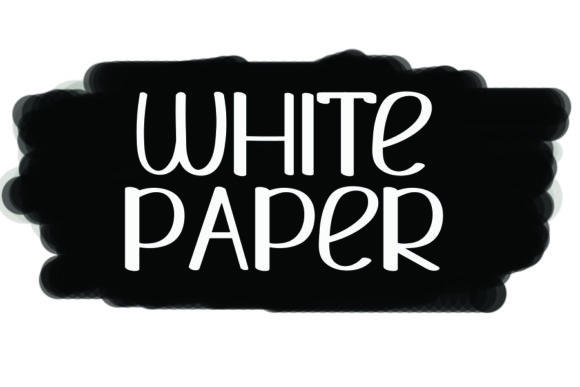
White Paper is a type of document that provides detailed information on a specific topic, often used in business, technology, and education. However, when we talk about the font named White Paper, it refers to a sleek, modern typeface designed for readability and visual appeal. This font is ideal for both digital and print media, making it a versatile choice for various design needs.
Main Features of White Paper Font
- Simple Design: The font has clean lines and minimalistic strokes, which make it easy to read.
- Versatile Use: It works well for headings, titles, and body text across different platforms.
- Professional Look: The font gives an impression of professionalism and sophistication, perfect for branding and marketing materials.
Whether you're a beginner or an experienced designer, White Paper offers a straightforward yet stylish option that complements a wide range of design elements.
Why Choose White Paper for Your Projects?
If you're looking for a font that balances simplicity with style, White Paper is an excellent choice. Its clean aesthetic makes it suitable for various applications, from websites and social media posts to presentations and brochures. Here are some reasons why professionals and hobbyists alike appreciate this font:
- Readability: The font is designed to be legible even at smaller sizes, ensuring that your message is clearly conveyed.
- Modern Appeal: With its contemporary look, White Paper fits well with current design trends and can help your content feel up-to-date.
- Consistency: Using this font consistently across your projects helps maintain a cohesive visual identity.
For instance, if you're creating a website for a tech startup, using White Paper for headings can give your site a polished and modern appearance.
Real-World Applications of White Paper Font
The versatility of White Paper means it can be applied in numerous contexts. Here are a few practical examples:
- Marketing Materials: Use White Paper in flyers, banners, and posters to draw attention and convey your message clearly.
- Web Design: Incorporate this font into your website’s headers and subheadings for a clean and professional look.
- Presentations: Highlight key points in your slides using White Paper to ensure your audience stays engaged.
- Print Media: From business cards to reports, this font maintains its quality and clarity in print formats.
Imagine designing a brochure for a new product launch. By using White Paper as the primary font, you can create a visually appealing layout that effectively communicates your brand’s message.
Getting Started with White Paper
If you're new to using White Paper, there are a few things to consider before diving in. First, make sure you have access to the font file, which can usually be downloaded from font marketplaces or included with design software like Adobe Photoshop or Illustrator.
Next, experiment with different weights and styles of the font to see how they work in your project. While White Paper is primarily a display font, some versions may offer variations such as bold or italic, which can add more depth to your designs.
It’s also important to pair White Paper with complementary fonts for body text. A sans-serif font like Arial or Helvetica can provide a good contrast and enhance readability.
Tips for Using White Paper Effectively
To get the most out of White Paper, keep these tips in mind:
- Use It Sparingly: Since it’s a display font, reserve it for headings and titles rather than long blocks of text.
- Consider Color Contrast: Ensure that the font color stands out against the background for optimal visibility.
- Test Across Devices: Check how the font looks on different screens and resolutions to ensure consistency.
By following these guidelines, you can effectively incorporate White Paper into your designs while maintaining a professional and polished appearance.
Conclusion
White Paper is more than just a font—it’s a tool that can transform your creative projects. Its clean and modern design makes it a valuable addition to any designer’s toolkit. Whether you're working on personal projects, professional designs, or educational materials, this font can help bring your ideas to life with clarity and style. Start experimenting with White Paper today and discover how it can enhance your creative workflow.