Rolling Go: A Sweet and Friendly Display Font for Creative Projects
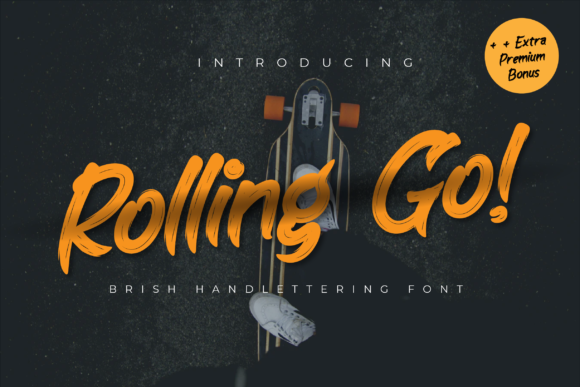
Rolling Go is a display font that brings warmth, charm, and personality to any design. Its natural and unique style makes it incredibly versatile, fitting into a wide range of creative projects from branding to web content. Whether you're a beginner or an experienced designer, Rolling Go has the potential to elevate your work and bring your ideas to life in a way that feels both professional and approachable.
What Makes Rolling Go Stand Out?
Rolling Go stands out because of its friendly and sweet aesthetic. The font's curves and soft edges create a sense of playfulness without being childish, making it ideal for projects that aim to be welcoming or engaging. This makes it particularly well-suited for use in logos, social media posts, marketing materials, and even educational resources.
Its versatility allows it to work across different mediums and sizes. From large headlines on posters to smaller text on websites, Rolling Go maintains readability and visual appeal. This adaptability means designers can use it confidently in various contexts without worrying about how it will look at different scales.
Common Mistakes When Using Rolling Go
While Rolling Go is a great font, there are some common mistakes that people make when choosing and using it. These mistakes can affect the overall effectiveness of your design and may lead to poor user experiences or miscommunication.
Overusing It in Body Text
One of the most frequent errors is using Rolling Go for body text instead of just for headings or accents. While it looks beautiful in larger formats, its design is not optimized for long paragraphs of text. This can cause eye strain and reduce readability, especially on digital platforms where users expect quick scanning.
Better Approach: Reserve Rolling Go for titles, call-to-action buttons, or short captions. For body text, choose a more legible sans-serif or serif font that ensures easy reading over extended periods.
Ignoring Font Pairing
Another mistake is not considering how Rolling Go pairs with other fonts. Since it's a display font, it needs a complementary font for body text or secondary elements. Failing to do so can result in a cluttered or unbalanced design.
Better Approach: Pair Rolling Go with clean, modern fonts like Open Sans or Lato for body text. This contrast enhances readability while keeping the overall design cohesive and stylish.
Not Checking License Terms
Many users overlook the importance of checking the license agreement before downloading or purchasing Rolling Go. Some fonts have restrictions on commercial use, redistribution, or modification, and ignoring these terms can lead to legal issues down the line.
Better Approach: Always review the licensing information provided by the font creator or distributor. If you're unsure, reach out for clarification or opt for a font with a clear, permissive license that fits your project's needs.
What to Check Before Using Rolling Go
Before deciding to use Rolling Go in your project, take the time to evaluate several key factors that will determine whether it's the right choice for your needs.
- Project Type: Consider the context in which you'll be using the font. Is it for a logo, website, print material, or something else? Rolling Go works best in situations where a friendly and approachable tone is desired.
- Target Audience: Think about who your audience is. If your project targets younger demographics or those looking for a more casual brand image, Rolling Go could be an excellent fit.
- Design Goals: Are you aiming for professionalism, playfulness, or something in between? Rolling Go leans towards the playful side, so it's important to ensure it aligns with your overall design goals.
- Compatibility: Make sure the font file is compatible with your design software and devices. Some fonts may not render correctly on certain platforms or applications.
How to Get the Most Out of Rolling Go
To get the most out of Rolling Go, consider experimenting with different weights, colors, and spacing options. While it's primarily designed as a display font, subtle variations in how you apply it can dramatically impact the final result.
For example, using a lighter weight version of Rolling Go in a header might give your design a more delicate feel, while a bolder weight can add emphasis and draw attention. Playing with color contrasts can also help highlight key messages or elements within your design.
Additionally, always test your designs across multiple devices and screen sizes. What looks great on a desktop may not translate well to mobile, so ensuring consistency and clarity is essential for a successful outcome.
Rolling Go is more than just a font—it's a tool that can help you express your creativity in a way that feels personal and authentic. By understanding its strengths and limitations, you can avoid common pitfalls and use it effectively to enhance your projects and connect better with your audience.