Hassengard Font: A Touch of Elegance in Every Design
If you're looking for a font that combines sophistication with versatility, Hassengard is a name worth remembering. This display font brings a unique blend of elegance and modernity to any design project. Whether you're crafting a thank you card, designing a logo, or working on editorial layouts, Hassengard adds a refined touch that stands out without overwhelming the message.
Elegant Style Meets Practical Use
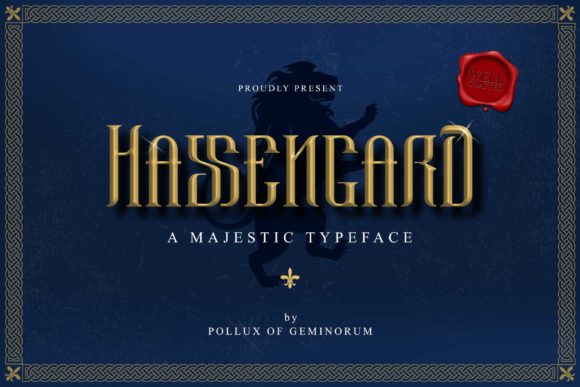
Hassengard is more than just a pretty face—it's a well-crafted typeface designed with both aesthetics and functionality in mind. Its clean lines and subtle serifs give it a classic feel, while its contemporary structure ensures it doesn't feel outdated. The font has a soft, flowing character that feels approachable yet professional, making it ideal for a wide range of applications.
The visual personality of Hassengard is understated but impactful. It carries a sense of refinement that elevates text without making it hard to read. This makes it particularly effective for headlines, titles, and other elements where a designer wants to draw attention without sacrificing clarity.
Where Hassengard Shines
Hassengard works exceptionally well in several key areas:
- Thank You Cards & Greeting Cards: The font’s elegant curves and graceful appearance make it perfect for handwritten-style messages that feel personal and thoughtful.
- Logos & Branding: When used in logos, Hassengard can convey professionalism and style. Its ability to stand out while remaining readable helps reinforce brand identity.
- Business Cards: For professionals who want their contact information to look polished, Hassengard provides a sophisticated alternative to standard sans-serif fonts.
- Social Media Graphics: In digital marketing, Hassengard adds a touch of class to promotional posts, banners, and infographics.
- Editorial Design: From magazine covers to blog headers, this font brings a level of visual interest that enhances the overall layout without distracting from the content.
Enhancing Readability and Visual Hierarchy
While Hassengard is primarily a display font, its readability is surprisingly strong. It avoids the ornate flourishes that can make some script fonts difficult to decipher. This means it can be used effectively not just for decorative purposes, but also in situations where legibility is important.
When designing with Hassengard, it's important to consider how it interacts with other text elements. Pairing it with a complementary sans-serif font for body text can create a balanced and visually appealing hierarchy. This combination allows the display font to command attention while keeping the rest of the content easy to read.
Choosing the Right Font for Your Project
Selecting the right font is about understanding the tone and purpose of your project. Hassengard is best suited for projects that require a touch of elegance and creativity. Before committing to it, consider the following:
- Project Type: Is this for branding, packaging, digital media, or print? Each medium may have different requirements for font choice.
- Target Audience: Does your audience appreciate a more traditional or modern aesthetic? Hassengard leans towards the former, making it ideal for audiences that value sophistication.
- Font Pairing: Test Hassengard with other fonts to ensure they complement each other. A good rule of thumb is to use one serif and one sans-serif font for contrast and balance.
- Commercial Licensing: If you plan to use Hassengard for commercial projects, make sure you have the appropriate license. This will protect both your work and the font creator's rights.
Remember, no single font is the solution for every design challenge. Hassengard is best when used strategically—where it can add value rather than become a distraction.
Real-World Applications and Design Insights
Designers often find that using a premium font like Hassengard can elevate the perceived quality of a project. In logo design, for instance, the font’s refined look can help establish a brand as trustworthy and stylish. In editorial design, it can be used for section headers or pull quotes to add visual interest and guide the reader through the content.
One practical tip is to limit the use of Hassengard to key elements. Overusing it can lead to visual clutter, especially in longer texts. Instead, focus on using it for headlines, subheadings, or short bursts of text where its visual impact can be fully appreciated.
Another consideration is the font’s PUA encoding. This feature gives designers easy access to all the glyphs and swashes included in the font. These additional characters allow for greater customization and creative expression, making Hassengard even more versatile in design applications.
Whether you're creating a business card, designing a website, or crafting a greeting card, Hassengard offers a stylish and elegant option that can enhance your work. Its adaptability across various formats and mediums makes it a valuable addition to any designer’s toolkit.