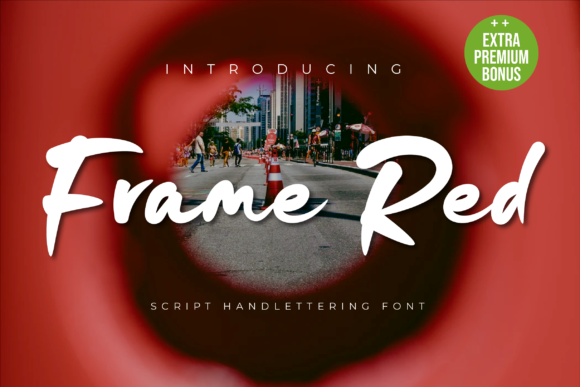
Frame Red: A Unique Display Font for Creative and Professional Use
Frame Red is a display font that stands out with its distinctive character and versatility. Designed to capture attention, it blends quirkiness with functionality, making it suitable for a wide range of applications. Whether you're working on a digital project, print media, or branding materials, Frame Red offers a unique visual identity that can elevate your designs.
What Makes Frame Red Distinct?
At first glance, Frame Red appears unconventional. Its letterforms are stylized with a mix of geometric shapes and organic curves, creating a balance between modernity and playfulness. This combination allows it to fit into both casual and formal contexts without feeling out of place.
The font’s name, "Frame Red," suggests a boldness and clarity in its design. The red color reference might not be literal in the font's appearance, but it implies energy, vibrancy, and a sense of urgency—qualities that can be leveraged in various design scenarios.
One of the key features of Frame Red is its legibility. Despite its quirky nature, it maintains readability even at smaller sizes. This makes it ideal for headings, titles, and other emphasis elements where visual impact is important without compromising clarity.
Comparing Frame Red with Similar Fonts
When considering display fonts, several options come to mind, such as Bauhaus 93, Impact, and Bevan. Each has its own strengths and use cases, and understanding these can help determine if Frame Red is the right choice for your needs.
Bauhaus 93 is known for its clean, geometric style, which is excellent for minimalist designs. However, it lacks the playful aspect that Frame Red brings to the table. If your project requires a more serious tone, Bauhaus 93 may be a better fit, but Frame Red offers a fresh alternative when creativity is a priority.
Impact is another popular choice for headlines due to its strong, blocky letters. While Impact is effective for grabbing attention, it can feel too rigid for projects that need a more dynamic or artistic touch. Frame Red, on the other hand, introduces a level of whimsy that can make your content stand out in a more engaging way.
Bevan is a rounded, friendly font often used in children's products or informal settings. It shares some similarities with Frame Red in terms of approachability, but Frame Red has a stronger structural element that gives it more visual weight. This makes Frame Red suitable for both youth-oriented and professional environments.
Strengths and Tradeoffs of Frame Red
Frame Red excels in situations where a designer wants to add personality without sacrificing professionalism. Its unique structure allows it to work well in logos, posters, advertisements, and website headers. The font’s ability to convey both fun and sophistication makes it a versatile tool in a designer's arsenal.
However, like many display fonts, Frame Red may not be the best choice for body text. Due to its stylized nature, it can be difficult to read in long passages. It’s important to use it sparingly and only in contexts where visual emphasis is needed rather than readability.
Another consideration is the font's availability. While Frame Red is accessible through various font marketplaces and design platforms, it may not be included in standard operating system fonts. This means users might need to purchase or download it before using it in their projects.
Best-Fit Situations for Frame Red
- Headlines and Titles: Frame Red is perfect for drawing attention to headlines, whether in print or digital formats. Its bold presence ensures that readers immediately notice important information.
- Logos and Branding: The font’s distinctiveness can help create a memorable brand identity. It works especially well for businesses looking to stand out in a crowded market.
- Marketing Materials: From flyers to social media posts, Frame Red adds an element of excitement and creativity to promotional content.
- Website Headers: Used in website headers or banners, Frame Red can enhance the user experience by adding visual interest without overwhelming the viewer.
When to Consider Alternatives
While Frame Red is a great option for many projects, there are times when another font may be more appropriate. For instance, if your project requires a high level of formality or a very specific aesthetic, you might want to explore serif or sans-serif fonts that are more traditional.
If you're designing for accessibility, consider the readability of Frame Red in different lighting conditions and screen resolutions. In some cases, a simpler font may be more inclusive for a wider audience.
Additionally, if your project involves large blocks of text, a more readable font should be chosen for the main content, with Frame Red reserved for headings or accents.
Evaluating Frame Red for Your Project
Choosing the right font depends on your project's goals, audience, and overall design strategy. Frame Red is an excellent choice when you want to inject personality into your design while maintaining a professional look. However, it's essential to evaluate how well it aligns with your brand's voice and message.
Consider testing Frame Red alongside other fonts in your design mockups. Seeing how it interacts with your color scheme, layout, and imagery can provide valuable insights into its effectiveness. Also, think about the emotional response you want to evoke from your audience. Frame Red is likely to create a sense of curiosity and engagement, which can be beneficial in certain contexts.
In summary, Frame Red is a unique display font that offers a blend of style and functionality. It’s particularly well-suited for creative and marketing-related projects where a distinctive visual identity is desired. By understanding its strengths and limitations, you can make an informed decision about whether it fits your needs or if another font would be more appropriate for your specific application.